
Symptoms that need a urologist
- A weak or slow stream, or a stream that stops and starts
- Waiting a while before urine starts, or having to strain
- Dribbling at the end, or a feeling that the bladder is not empty
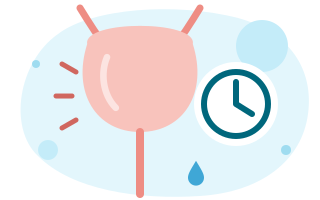
- Passing urine often, or a sudden urge you find hard to hold
- Getting up two or more times a night to pass urine (nocturia)
- Blood in the urine, or burning that keeps coming back
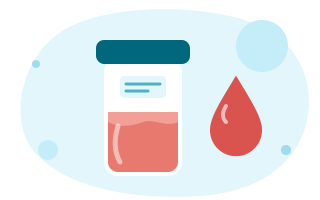
- A raised PSA result on a blood test
Difficulty passing urine
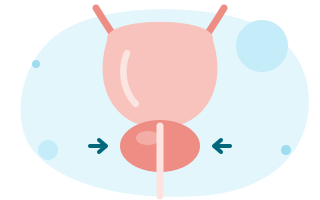
The prostate surrounds the urine passage just below the bladder. When it grows, it can narrow the passage, so the bladder has to push harder and may not empty fully. Over time this can lead to infections, bladder stones, or sudden inability to pass urine. Not every passing difficulty is the prostate: a narrowing of the urethra (stricture), a weak bladder muscle, some medicines and constipation can cause the same symptoms.
Why the prostate grows
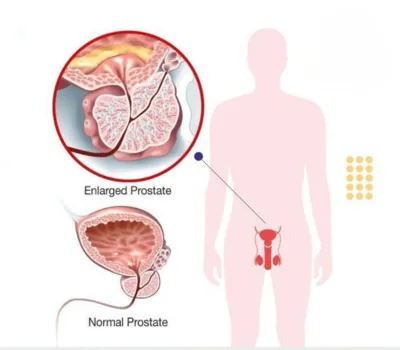
An enlarged prostate (benign prostatic hyperplasia, or BPH) is very common in men over 50, and more common with age. It is linked to normal hormone changes and is not cancer. The size of the prostate does not always match the symptoms: some men with a large prostate have few problems, and some with a small one have many.
Waking at night to pass urine
Getting up once a night is common. Getting up two or more times disturbs sleep and is worth checking. The prostate is one cause, but not the only one. Others include drinking a lot in the evening, tea, coffee or alcohol late in the day, diabetes, heart or kidney problems that cause fluid to build up in the legs, sleep apnoea, and some medicines. A bladder diary helps the doctor tell these apart.
What happens at your visit to the clinic
- The doctor asks about your symptoms, often using a short questionnaire to score how much they bother you.
- He asks about your medicines, fluids, and conditions such as diabetes or high blood pressure.
- With your consent, he examines your belly and checks the prostate with a gloved finger. It takes less than a minute.
- He explains what he finds and agrees a plan with you.
Tests the doctor may advise
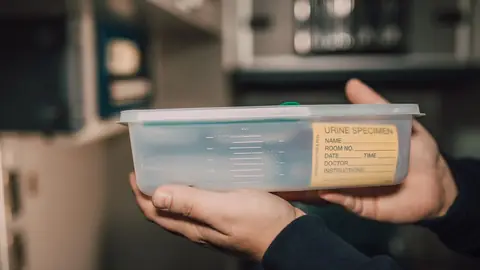
- Urine test
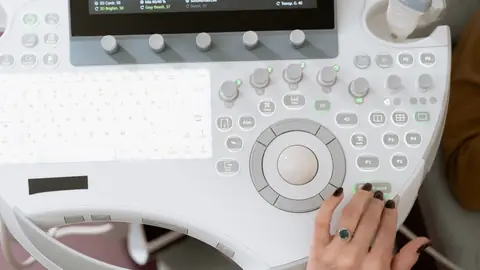
- Ultrasound of the kidneys, bladder and prostate, including how much urine is left after you pass urine
- Uroflowmetry: you pass urine into a special toilet that measures the flow
- Blood tests for kidney function and blood sugar
- PSA blood test, after discussing what the result can and cannot tell you
- A bladder diary for 2 to 3 days if you pass urine often or at night
The doctor will tell you which of these tests you need and where each one can be done.
Treatment options after evaluation
- Simple changes: drinking less in the two hours before bed, cutting down tea, coffee and alcohol in the evening, and treating constipation.
- Medicines that relax the prostate so urine flows more easily, medicines that slowly shrink a large prostate, or both together. Other medicines can calm an overactive bladder.
- A procedure if medicines do not help enough or there are complications. Options include TURP and laser prostate surgery, both done through the urine passage at Precision Urology Hospital, Lucknow. The doctor will explain which suits you and why.
- Catheter: if you cannot pass urine at all, a catheter drains the bladder straight away while the cause is treated.
If an examination or PSA test raises any concern about the prostate, the doctor will explain the next steps clearly.
When prostate surgery is advised
Most men are treated with medicines and simple changes. Surgery is usually advised when:
- Symptoms stay troublesome despite medicines, or you cannot take them
- You have had one or more episodes of being unable to pass urine (retention)
- The bladder does not empty and this is causing repeat infections, bladder stones or kidney problems
- You have repeated bleeding from the prostate
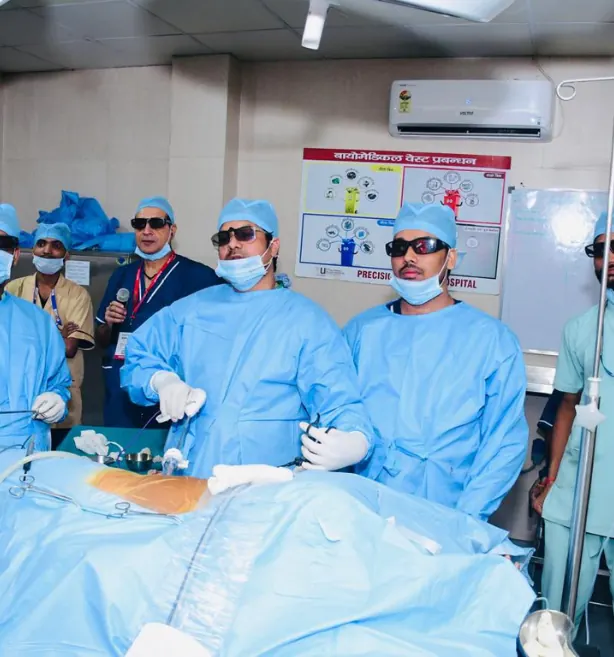
TURP and laser prostate surgery are done through the urine passage, without a cut on the skin. Prostate surgery is done by Dr. Sengar at Precision Urology Hospital, Lucknow, not at the clinic. Most men need a catheter for a short time afterwards. The doctor explains the possible effects on ejaculation and bladder control before you decide. You can read more about prostate enlargement treatment in Lucknow on his website.
The PSA test
PSA is a protein made by the prostate. A raised level can be caused by an enlarged prostate, infection or inflammation, a recent catheter or long cycling, as well as by prostate cancer. A single high result does not mean cancer. The doctor explains what your result means, whether it should be repeated, and whether further tests such as an MRI are needed.
When to go to an emergency department
- You cannot pass urine at all and your lower belly is painful or swollen
- You have fever, chills or shivering with urinary symptoms
- You are passing heavy blood or clots, or clots are blocking the flow
Do not wait for the OPD in these situations.
Hindi: प्रोस्टेट की समस्या, गोमती नगर एक्सटेंशन.