
What blood in the urine looks like
Doctors call it haematuria. There are two kinds:
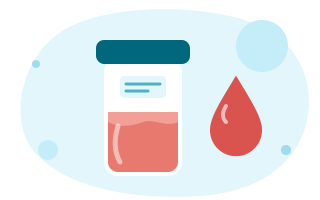
- Visible blood: urine that looks pink, red, or brown like tea or cola, sometimes with small clots. Even a few drops of blood can change the colour of a whole bladder of urine, so the amount you see does not tell you how serious the cause is.
- Blood seen only on a test: urine that looks normal, but a urine test done for another reason shows red blood cells. If it is found on more than one test, it also needs to be looked into.
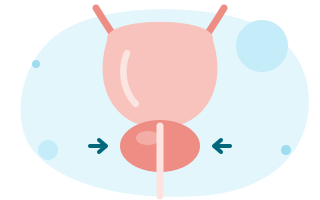
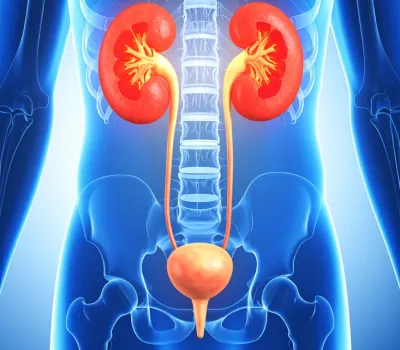
Blood can come from anywhere along the urinary tract: the kidneys, the ureters (the tubes that carry urine down), the bladder, the prostate in men, or the urethra.
Common causes
Urine infection
An infection of the bladder often causes burning, a frequent urge to pass urine and sometimes blood. Women get urine infections more often than men. Read more about urine infections and how they are treated.
Kidney or ureter stones
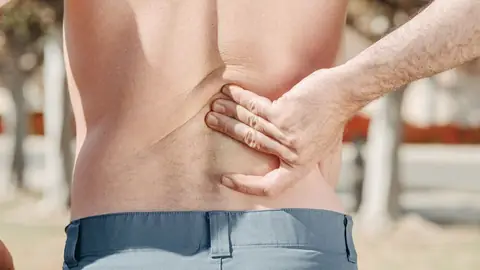
A stone rubbing against the lining of the kidney or ureter can cause bleeding, usually with sharp pain in the side or back that comes in waves. Some stones bleed without pain. See kidney stone treatment in Gomti Nagar Extension.
Enlarged prostate
In men over about 50, the enlarged prostate has many small blood vessels on its surface, which can bleed, especially when straining. There are often other symptoms too, such as a weak stream or waking at night to pass urine. Read about prostate problems.
Kidney inflammation
Some kidney conditions, called glomerulonephritis, let blood and protein leak into the urine. They often come with swelling of the feet or face, high blood pressure or foamy urine. These are usually looked after by a kidney physician (nephrologist). Our guide on whether to see a urologist or a nephrologist explains the difference.
A growth in the bladder or kidney
This is not the most common cause, but it is the main reason doctors take blood in the urine seriously. Growths are more likely in people over 40, in smokers, and in people who have worked for years with dyes, rubber or certain chemicals. Found early, they are much easier to treat.
Other causes
- A recent injury to the back or belly, or very hard exercise
- A recent catheter or a procedure on the urinary tract
- Blood thinners, which can make bleeding from another cause more likely
- In women, menstrual blood mixing with a urine sample; repeat the test after the period
Beetroot, some medicines and food colours can make urine look red without any blood in it. A urine test tells the difference in a few minutes.
When to go to an emergency department
Do not wait for an OPD appointment if you have:
- clots, or you cannot pass urine at all
- heavy bleeding, or you feel dizzy or faint
- fever or shivering with blood in the urine
- severe pain in the side or back that painkillers do not settle
When to see a urologist
- Any visible blood in the urine, even once
- Blood found on more than one urine test
- Blood with burning, pain in the side or difficulty passing urine
- Blood in the urine if you are over 40 or have ever smoked
- Blood that keeps coming back after a urine infection has been treated
Tests the doctor may advise
Not everyone needs every test. The doctor chooses them after hearing your story and examining you.
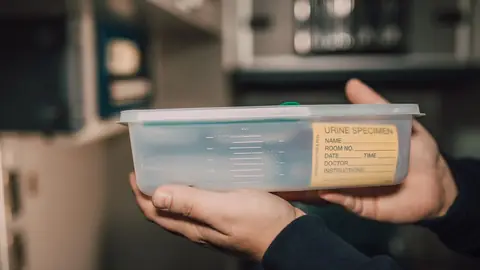
- Urine test and urine culture, to confirm blood and look for infection. Give the sample before starting any antibiotic.
- Kidney function blood test (creatinine), and blood sugar.
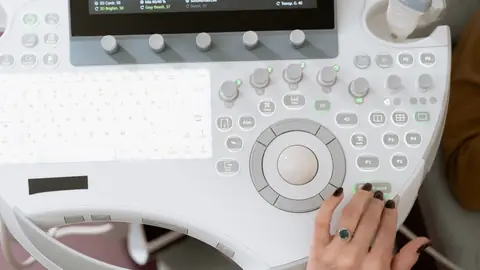
- Ultrasound of the kidneys and bladder, to look for stones, a blockage, a growth, or an enlarged prostate.
- CT scan, in some people, for a more detailed look at the kidneys and ureters.
- Cystoscopy, a look inside the bladder with a thin telescope, mainly for people over 40, smokers, or when the cause is still not clear. It is done in hospital.
What happens at your visit to the clinic
- The doctor asks when you saw the blood, its colour, whether there were clots or pain, and about smoking, your work and the medicines you take.
- He looks at any reports you bring and examines your belly, and the prostate in men if it will help, with your consent.
- He explains which tests you need, in what order, and what each one is looking for.
- When the results are back, he explains the cause and the treatment, if any is needed.
Bring earlier urine reports, scans (the films or CD as well as the report) and a list of your medicines. It saves repeating tests.
Until your appointment
- Drink water as usual through the day.
- Note the date, the colour, and whether there were clots or pain. A photo of the urine on your phone can help the doctor.
- Do not start leftover antibiotics. They can hide an infection on the urine culture.
- Keep taking your regular medicines, including blood thinners, unless the doctor who prescribes them tells you otherwise.
Getting checked in Gomti Nagar Extension
Swastik Urology Clinic is in Sector-5, Gomti Nagar Extension, near Sadar Tehsil, and is easy to reach from Gomti Nagar, Shaheed Path, Chinhat and Sushant Golf City. The morning OPD runs Monday to Saturday, 9:30 AM to 11:30 AM. Request an appointment or see the map and directions.
This article gives general information and does not replace examination, diagnosis or treatment by a qualified doctor.