
Symptoms that need a urologist
- A smooth swelling, usually without pain, on one or both sides of the scrotum
- A feeling of heaviness or dragging, worse by evening or after standing for long
- Swelling that has grown over weeks or months
- Discomfort when walking, sitting, cycling or during sex
- In a baby or child: swelling that gets bigger during the day or when crying
- A swelling that appeared after an injury, an infection or an operation in the groin
What is a hydrocele?
Each testis sits inside a thin, double-layered sac. Normally there is only a few drops of fluid between the layers. In a hydrocele, more fluid is made than is absorbed, and it collects around the testis. The testis itself is usually normal. Because the swelling is fluid, it often feels smooth and tense, and a light shone behind it may glow through.
Types of hydrocele
- Hydrocele in babies and children. Before birth, the testis comes down from the tummy through a small channel. If the channel stays open, fluid from the tummy can flow down into the scrotum, so the swelling changes in size. Most close by the first or second birthday. If it persists, it is treated like a hernia. See urine problems in children.
- Adult (primary) hydrocele. The most common type in men. It grows slowly over months or years, often with no clear cause.
- Hydrocele from another cause (secondary). Fluid can collect after an infection of the testis or epididymis, an injury, a hernia or varicocele operation, or, rarely, a tumour of the testis. This is why the doctor checks the testis carefully.
- Hydrocele from filariasis. In parts of Uttar Pradesh, a worm infection spread by mosquitoes (filaria) can cause long-standing scrotal swelling and thickened skin. It needs its own treatment as well as the hydrocele.
Other swellings it can be confused with
- Inguinal hernia: a bulge from the groin that may go back in when you lie down and push out when you cough
- Varicocele: swollen veins above the testis that feel like a bag of worms
- Epididymal cyst: a small, separate lump above or behind the testis
- Infection of the testis or epididymis: painful, red, warm swelling, often with fever or burning urine
- A lump in the testis itself: firm, often without pain, and always needs prompt checking
What happens at your visit to the clinic
- The doctor asks when the swelling started, whether it changes in size, and about pain, fever, injuries and earlier operations.
- He examines the scrotum and groin in private, standing and lying down, and checks whether the testis can be felt clearly.
- He looks at any ultrasound or reports you bring.
- He explains what the swelling is and whether it needs watching, tests or an operation.
Tests the doctor may advise
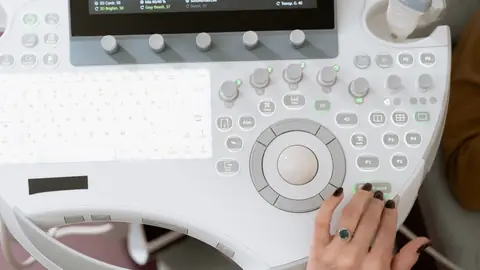
- An ultrasound of the scrotum, to confirm the fluid and check that the testis behind it is normal
- A urine test, if there is pain, fever or burning
- Blood tests for filaria, in some men from areas where it is common
The doctor will tell you which of these tests you need and where each one can be done.
Treatment options after evaluation
- Watchful waiting. A small hydrocele that does not hurt with a normal testis on ultrasound can simply be watched. You come back if it grows or starts to bother you.
- Treating the cause. If the hydrocele follows an infection, the infection is treated first, and the fluid often settles. Filariasis is treated with medicine.
- Draining the fluid (aspiration). Rarely used, because the fluid tends to come back. It may suit a man who is not fit for an operation.
- Hydrocele surgery (hydrocelectomy). The standard treatment for a large or troublesome hydrocele. Through a small cut in the scrotum, the fluid is removed and the sac is folded or trimmed so it does not refill. It is done in hospital, usually as a day-care procedure.
- Children's operation. If a child's hydrocele persists beyond the age the doctor advises, the open channel in the groin is closed through a small cut.
The doctor tells you which option he advises and why, what the risks are, and when you can return to work.
Recovery after hydrocele surgery
- Most men go home the same day or the next morning
- Snug, supportive underwear and cold packs for the first few days reduce swelling
- The scrotum can stay swollen and bruised for two to four weeks; this is expected
- Desk work is usually possible within a week; heavy lifting, cycling and sex wait for about two to four weeks
- Bleeding, infection or the fluid coming back are uncommon; the doctor explains them before you decide
Living with a hydrocele
Many men put off getting a scrotal swelling checked for years, out of embarrassment or worry that it will mean an operation. Often it does not: a small hydrocele with a normal scan can be left alone. When it is large, men usually find life easier after treatment, because walking, sitting for long and sex become comfortable again. What matters most is the first check, to make sure the swelling is only fluid and that nothing else is hiding behind it.
Bring any ultrasound reports, earlier prescriptions and a list of your medicines, especially blood thinners. If you have diabetes or high blood pressure, bring your latest readings too.
Hydrocele care near Gomti Nagar
Men and parents come to the clinic from Gomti Nagar, Gomti Nagar Extension, Shaheed Path, Chinhat and the nearby areas. The examination is private, and the doctor speaks Hindi, English, Bhojpuri and Gujarati. When an operation is the better choice, he plans it with you and explains each step.
When to go to an emergency department
- Sudden, severe pain in a testicle, especially in a boy or young man: it can be a twisted testis (torsion), which needs surgery within hours
- A painful, red, hot swelling with fever
- A swelling in the groin or scrotum that becomes hard, painful and will not go back, with vomiting
Related: men's sexual health, testicular pain and varicocele.