
When to bring your child to a urologist
- A urine infection with fever, especially if it happens more than once
- Swelling of one or both kidneys (hydronephrosis) seen on a pregnancy scan or a later ultrasound
- Wetting the bed after about five to six years of age, or starting to wet again after being dry
- Wetting during the day, a sudden urge, or holding urine by crossing the legs or squatting
- A weak or dribbling stream, straining, or crying while passing urine
- A testis that cannot be felt in the scrotum
- A swelling in the groin or scrotum that comes and goes, or stays
- The urine opening on the underside of the penis instead of at the tip (hypospadias)
- Blood in the urine, or a stone found on a scan
Kidney swelling found on a scan
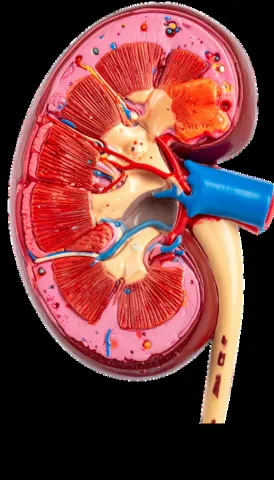
Swelling of the kidney is one of the most common findings on pregnancy scans. It means urine is collecting in the kidney, and in many babies it settles on its own within the first year or two. Some babies, though, have a narrowing or a backflow of urine that needs closer watching or treatment.
The doctor reviews the pregnancy scans and plans an ultrasound after birth. Depending on the findings, he may advise a test that shows whether urine flows back from the bladder (micturating cystourethrogram, or MCU) or a kidney scan that shows how well each kidney drains and works. The conditions he looks for include:
- A narrowing where the kidney joins the ureter (PUJ obstruction)
- Urine flowing back from the bladder towards the kidney (vesico-ureteric reflux)
- A flap of tissue blocking the urine channel in boys (posterior urethral valves)
- A widened ureter that drains slowly (primary obstructive megaureter)
The links above go to detailed pages on Dr. Aditya Sengar's own website, where these conditions and their surgery are explained.
Urine infections in children
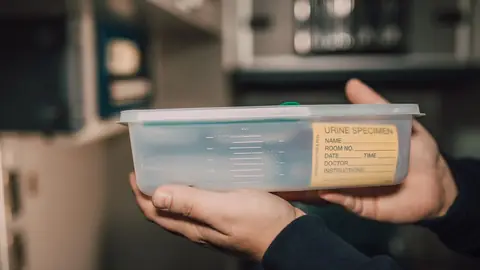
In babies and toddlers, a urine infection may show up only as fever, poor feeding, vomiting or irritability, without any obvious urine symptoms. Older children may complain of burning, tummy pain, or wetting again. A urine sample should be tested before antibiotics are started whenever possible.
A child who has had a urine infection with fever usually needs an ultrasound, and some need further tests to look for reflux or a blockage. Constipation and holding urine for long periods are common, easily missed causes of repeat infections, so the doctor will ask about both.
Bed-wetting and daytime wetting
Bed-wetting is common, runs in families, and is not the child's fault. Most children grow out of it. Help is worth seeking when it upsets the child, when it carries on past about six or seven years of age, or when there is also daytime wetting, a poor stream or urine infections. Wetting in a child who also has a back or spine problem should always be checked, as it can be a sign of a neurogenic bladder.
Things that help many families:
- Give most of the day's drinks in the morning and afternoon, and less in the last hour or two before bed
- Have your child pass urine regularly during the day and just before sleep
- Treat constipation, which presses on the bladder
- Praise dry nights, and never punish wet ones
If these are not enough, the doctor can advise a bed-wetting alarm or medicines. You can read more about bed-wetting in children on the doctor's website.
Undescended testis, hernia and hydrocele
If a testis cannot be felt in the scrotum, your son should see a urologist within the first few months. A testis that has not come down on its own by about six months of age usually needs a small operation, ideally before the child is about eighteen months old.
A swelling in the groin that comes and goes when the child cries or strains is often a hernia, which needs repair. A soft swelling of the scrotum filled with fluid (hydrocele) is common in babies and often goes away by itself, so the doctor may advise waiting and checking.
Foreskin problems and hypospadias
In young boys the foreskin is normally tight and does not pull back, and it may balloon a little when they pass urine. This usually loosens with age and should not be forced. The doctor will check if there is pain, repeated swelling or infection, or real difficulty passing urine.
In hypospadias, the urine opening is on the underside of the penis. It is repaired by surgery at Precision Urology Hospital, Lucknow, usually in the first year or two of life. Do not have the child circumcised before seeing a urologist.
What happens at your child's visit
- Bring all scans, including pregnancy scans, the birth discharge summary, urine reports and any medicines your child takes.
- The doctor asks about feeding, fevers, toilet habits, constipation and how your child passes urine.
- He examines your child gently, with a parent present the whole time.
- He explains what he finds and whether your child needs tests, medicines, follow-up scans or an operation.
Please mention your child's age when you book, so the clinic can plan the visit.
Tests the doctor may advise
- Urine routine test and culture
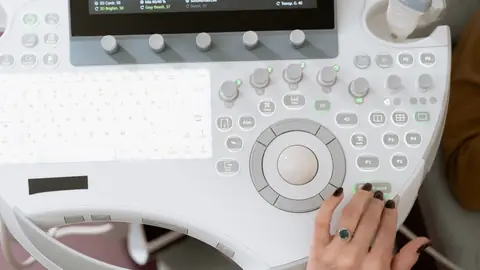
- Ultrasound of the kidneys and bladder
- MCU, an X-ray test that shows whether urine flows back from the bladder
- A kidney scan (DTPA or DMSA) to see how each kidney drains and works
- Kidney function blood tests
The doctor will tell you which of these tests you need and where each one can be done.
When not to wait
Take your child to the nearest emergency department at once for sudden pain or swelling in the scrotum, which can be a twisted testis and needs treatment within hours. The same applies to a hard, painful lump in the groin that does not go back, not passing urine for many hours, or fever in a baby under three months old.
Related: urine infection (UTI), kidney stones and female urology.