
Symptoms that need a urologist
- Pain in the side or back that comes in waves and may move to the lower belly or groin
- Pink, red or brown urine, or blood found in a urine test
- Burning, a frequent urge to pass urine, or passing only small amounts
- Nausea or vomiting with the pain
- A stone seen on an ultrasound done for another reason
- Stones that have come back, or a family history of stones
Kidney, ureter and bladder stones
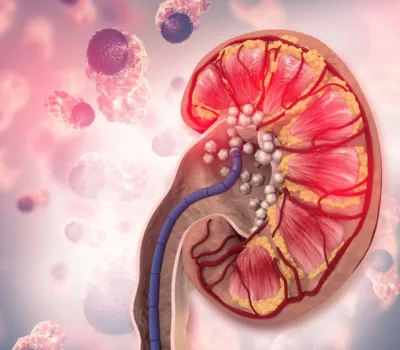
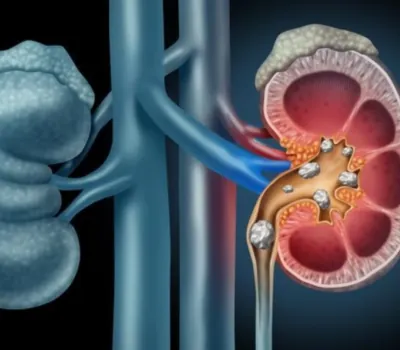
Kidney stones form inside the kidney from minerals in the urine. A stone that stays in the kidney may cause no pain at all and is often found by chance.
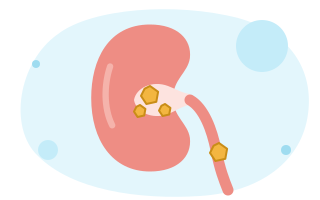
Ureteric stones are stones that have moved into the ureter, the narrow tube between the kidney and the bladder. This is when the sharp, wave-like pain usually starts, because the stone stretches the tube and can block the flow of urine.
Bladder stones usually form when the bladder does not empty fully, for example with an enlarged prostate. They can cause pain at the tip of the penis or lower belly, a stream that stops suddenly, or blood at the end of passing urine.
Causes and risk factors
Stones form when urine carries more minerals than it can keep dissolved. In Lucknow's hot summers, sweating and too little water make urine concentrated, which is one reason stones are common here.
- Not drinking enough water, or working long hours in the heat
- A diet high in salt, packaged food and meat protein
- A past stone, or a family history of stones
- Obesity, diabetes and gout
- Repeated urine infections
- A bladder that does not empty fully, for example with an enlarged prostate, which leads to bladder stones
- Some medicines, and a few rare inherited or hormone conditions
Types of stone
- Calcium oxalate stones, the most common type
- Uric acid stones, more likely with gout, diabetes or a high-protein diet; some can be dissolved with medicines
- Infection stones, which can grow large and branch inside the kidney
- Cystine stones, which are rare, run in families and often start at a young age
Knowing the type from a stone analysis helps the doctor advise the right diet and medicines to prevent new stones.
What happens at your visit to the clinic
- The doctor asks about your pain, earlier stones, fluids you drink, and your medicines.
- He examines your belly and back, and checks for fever.
- He reviews any ultrasound, X-ray or CT reports you bring. Please bring the films or CD as well as the report.
- He explains the size and position of the stone and the options that suit it.
Tests the doctor may advise
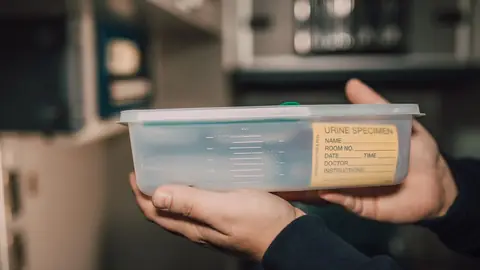
- Urine test, and a urine culture if infection is suspected
- Blood tests for kidney function (creatinine) and, for repeat stones, calcium and uric acid
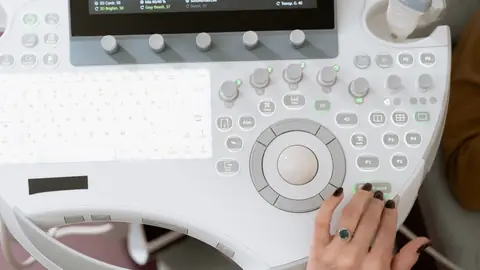
- Ultrasound of the kidneys, ureters and bladder
- CT KUB, a low-dose CT scan without injection, to see the exact size and position of the stone
- Stone analysis if you pass or have a stone removed, to help prevent new ones
The doctor will tell you which of these tests you need and where each one can be done.
Treatment options after evaluation
The right treatment depends on the stone's size and position, whether it is blocking the kidney or causing infection, and your general health. Options the doctor may discuss:
- Waiting for the stone to pass, with pain relief and plenty of fluids, for small stones that are not causing a blockage or infection.
- Medicines that relax the ureter to help some small ureteric stones pass.
- Shock wave lithotripsy (ESWL), which breaks the stone from outside the body, for selected stones.
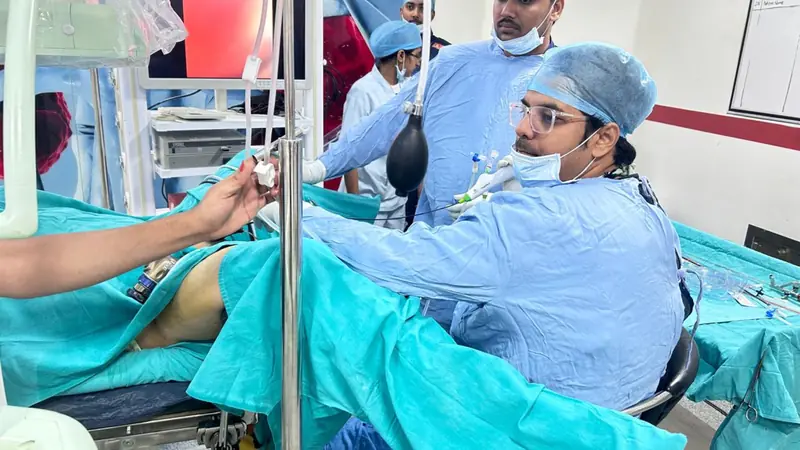
- Ureteroscopy (URS) or RIRS, where a thin telescope is passed up through the urinary passage and the stone is broken with a laser. No cut is made on the skin.
- PCNL, through a small keyhole in the back, for large kidney stones.
- A stent (DJ stent) or a drainage tube to relieve a blocked, infected kidney quickly, before the stone itself is treated.
Procedures are done by Dr. Sengar at Precision Urology Hospital, Lucknow, not at the clinic. If you need one, the doctor will explain why and what it involves. You can read more about kidney stone treatment in Lucknow on his website.
When a stone needs treatment
Many small stones pass on their own within a few weeks. The doctor usually advises removing a stone when:
- It is too large to pass, or has not moved after a few weeks
- It is blocking the kidney, or kidney function is falling
- There is infection behind the stone
- The pain keeps coming back and affects work or sleep
- You have only one working kidney, or stones in both kidneys
- Your work needs you to be free of stones, for example if you drive or travel a lot
After a stone procedure
After URS, RIRS or PCNL, a thin, soft tube called a DJ stent is often left between the kidney and the bladder for a few weeks while the ureter heals. It can cause an urge to pass urine, a little blood in the urine and an ache in the side when passing urine. The stent must be removed or changed on time, so keep the date the doctor gives you.
Lowering the chance of new stones
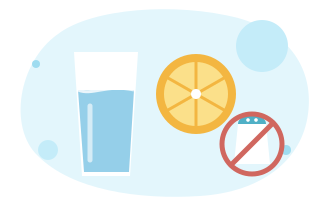
- Drink enough fluid through the day that your urine stays pale.
- Cut down on added salt, packaged snacks and pickles.
- Don't cut out milk and curd unless the doctor tells you to; normal amounts of calcium in food can help.
- If you have had more than one stone, ask whether stone analysis and urine tests can find the cause.
When to go to an emergency department
Go straight to the nearest hospital emergency department if you have stone pain with:
- fever, chills or shivering
- passing very little urine, or none at all
- pain that painkillers do not control
- vomiting so that you cannot keep fluids down
- only one working kidney, or you are pregnant
A blocked kidney with infection can become serious within hours.
Read more: 7 warning signs you may have a kidney stone. Hindi: पथरी का इलाज, गोमती नगर एक्सटेंशन.