
What is an overactive bladder?
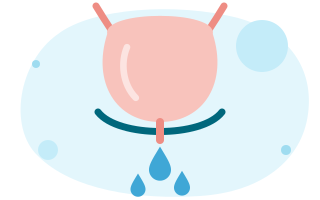
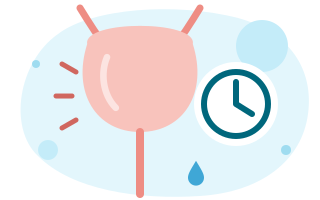
The bladder muscle squeezes when it should be relaxing and filling. The main symptoms are:
- Urgency: a sudden, strong need to pass urine that is hard to put off
- Frequency: passing urine more than about eight times in the day
- Waking at night to pass urine, often more than once
- Urge leakage: leaking on the way to the toilet, for some people
Leaking when you cough, sneeze or lift is different. That is stress incontinence, and many women have both. See our page on urinary incontinence.
Causes and triggers
Often there is no single cause. Things that make it more likely, or worse, include:
- Tea, coffee, colas, alcohol and fizzy drinks
- Constipation, which presses on the bladder
- Being overweight
- Diabetes, which can also make you pass more urine
- Menopause, in women
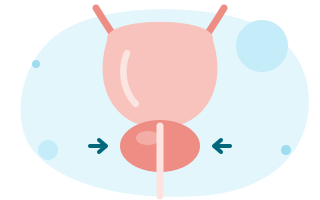
- An enlarged prostate, in men. See prostate problems.
- Nerve conditions such as a stroke, Parkinson's disease or a spinal problem
- Some medicines, such as water tablets (diuretics)
A urine infection, a bladder stone, or rarely a growth in the bladder can cause the same symptoms. That is why the doctor rules these out before calling it an overactive bladder.
When to see a urologist
- The symptoms affect your sleep, work or travel
- You leak urine
- There is blood in the urine, pain, or fever
- Urine infections keep coming back
- You find it hard to start passing urine, or feel the bladder does not empty
- You have a nerve condition, or the symptoms started suddenly
- Simple changes have not helped after a few weeks
Keep a bladder diary
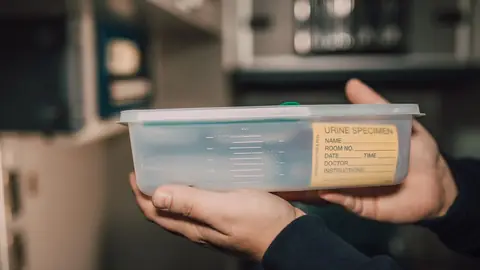
Before your visit, write down for three days what you drink and when, each time you pass urine, roughly how much, and any urges or leaks. A measuring jug in the bathroom makes it easy. The diary often shows a pattern, such as most drinks in the evening, and helps the doctor choose the right treatment.
Things that help at home
Bladder training
When you feel the urge, stop, stand or sit still, squeeze your pelvic floor muscles and breathe slowly until the urge passes, then walk calmly to the toilet. Over several weeks, slowly stretch the time between visits, for example by 15 minutes at a time. The bladder learns to hold more.
Pelvic floor exercises
Squeeze the muscles you would use to stop passing wind and hold for a few seconds, then relax. Repeat ten times, three times a day. They help both men and women, and they also help with stress leakage.
Drinks and daily habits
- Drink normally through the day, but less in the two hours before bed.
- Cut down on tea, coffee, colas and alcohol.
- Treat constipation with more fibre, fluids and activity.
- Lose weight if you are overweight, and stop smoking.
- Keep blood sugar under control if you have diabetes.
Treatment options after evaluation
If home measures are not enough, the doctor may prescribe a medicine that relaxes the bladder muscle. There are several types, and the doctor chooses one that suits your age and other medicines. Men with an enlarged prostate may need treatment for that as well.
For the few people who do not improve with medicines, there are further options done in hospital, such as injections into the bladder wall or treatment that calms the nerves to the bladder. The doctor explains these only if they are needed.
Help for bladder problems in Gomti Nagar Extension
Swastik Urology Clinic in Sector-5, Gomti Nagar Extension, sees both men and women with bladder problems, in private. Women can also read our page on female urology. The morning OPD runs Monday to Saturday, 9:30 AM to 11:30 AM. Bring your bladder diary and any urine reports. Request an appointment.
This article gives general information and does not replace examination, diagnosis or treatment by a qualified doctor.