
Why stones are more common in summer
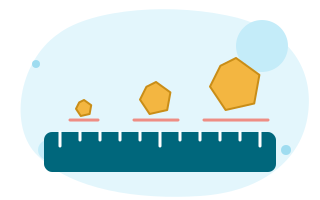
From April to June, Lucknow often crosses 40°C, and the humid monsoon that follows keeps you sweating. Water lost in sweat is water that does not reach the urine. Less urine means the salts that form stones, such as calcium, oxalate and uric acid, are more concentrated and crystallise more easily. A small crystal that forms in May can grow into a stone that causes pain weeks or months later.
Who is most at risk
- Anyone who has had a stone before
- People who work outdoors: drivers, delivery workers, construction and field workers, traffic police
- People who avoid drinking so they do not need a toilet at work, school or while travelling
- Older people, who feel less thirsty
- Children who play outside and forget to drink
- People who take high-protein supplements at the gym
- People with diabetes, obesity or gout
How much to drink
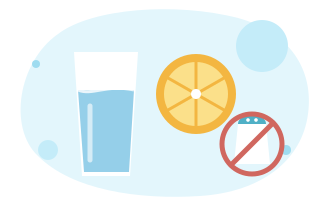
For people who form stones, the target is about 2.5 litres of urine a day. In the Lucknow summer, that usually means three litres of fluid or more, because so much is lost in sweat. You do not need to measure every glass. Two simple checks work well:
- Urine colour: it should be pale, like light straw. Dark yellow means drink more.
- Trips to the toilet: passing urine every three to four hours in the day is a good sign.
Spread drinks through the day rather than drinking a lot at once. Start with a glass on waking, keep a bottle with you, and drink more on hot days, when you exercise and when you travel.
What to drink
- Water should be most of it
- Nimbu pani with very little salt and sugar; lemon contains citrate, which helps prevent calcium stones
- Coconut water counts towards your fluids, but people with kidney disease should ask their doctor first
- Chaas or lassi with little salt
- Limit colas, packaged sweet drinks and energy drinks
- Keep alcohol low, including beer, which makes you lose water and raises uric acid
Watch the salt in summer food
Salt makes the kidneys pass more calcium into the urine, which raises the risk of calcium stones. Summer favourites such as chaat, namkeen, pickles, papad, salted lassi and packaged snacks add up quickly. Keep added salt low and read the labels on packaged food. Do not cut out milk and curd: normal amounts of calcium from food actually lower the risk. For more on food, read our kidney stone diet guide.
Warning signs of a kidney stone
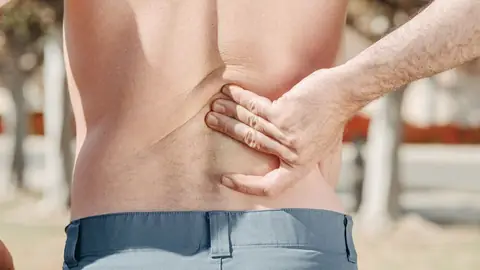
- Sudden, severe pain in the side or back, often coming in waves and moving to the lower tummy or groin
- Pink, red or brown urine
- Nausea or vomiting with the pain
- Burning, or needing to pass urine often
Read more on our page on kidney stone treatment in Gomti Nagar Extension.
Go to an emergency department if
- You have fever or shivering with stone pain
- You cannot pass urine
- The pain or vomiting does not settle with the medicine you have
- You have only one working kidney, or you are pregnant
If you have had a stone before
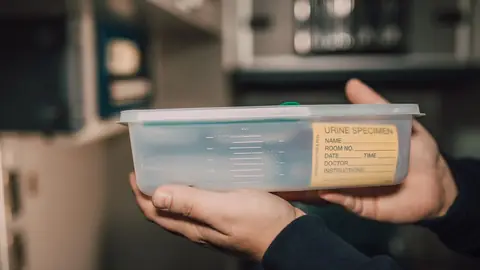
- If you pass a stone, keep it and have it analysed; knowing its type guides prevention
- After repeated stones, a 24-hour urine test can show what is causing them
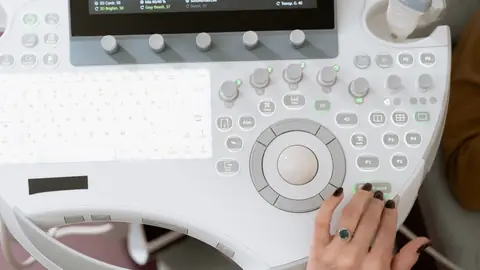
- An ultrasound now and then shows whether new stones are forming before they cause pain
- Some people need a medicine, such as citrate, to prevent new stones
Kidney stone care in Gomti Nagar Extension
Swastik Urology Clinic is in Sector-5, Gomti Nagar Extension, near Sadar Tehsil, a short ride from Gomti Nagar, Shaheed Path and Chinhat. Dr. Aditya P.S. Sengar (MBBS, MS (General Surgery), DNB (Urology)) sees people with kidney stones in the morning OPD, Monday to Saturday, 9:30 AM to 11:30 AM, and speaks Hindi, English, Bhojpuri and Gujarati. Bring your scan reports and any stone you have passed. Request an appointment.
This article gives general information and does not replace examination, diagnosis or treatment by a qualified doctor.