
Why diet matters for kidney stones
Stones form when urine carries more minerals than it can keep dissolved. Concentrated urine, a lot of salt, very little citrate and, for some people, too much oxalate or uric acid all tip the balance. Diet cannot remove a stone that is already causing pain or a blockage, but it is the main way to stop new stones from forming.
Most stones in India are made of calcium oxalate. The advice below suits most people with these stones. If your stone was analysed and is a different type, the doctor will tell you what to change.
Step one: drink enough, all through the day
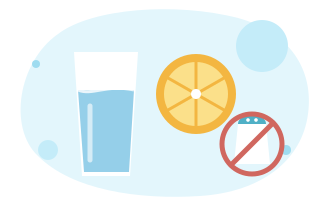
This matters more than any food. The aim is about 2.5 litres of urine a day, which for most adults means about 3 litres of fluid. In the summer heat, or if you ride a two-wheeler or work outdoors, you need more.
- Keep a 1 litre bottle with you and finish it three times a day.
- Spread drinks across the day rather than drinking a lot at once.
- Have a glass of water before bed, and another if you get up at night.
- Check the colour: pale yellow is right; dark yellow means drink more.
- Water is the main drink. Nimbu pani, coconut water, buttermilk (chaas) with little salt, and barley water also count.
Foods and drinks that help
- Lemon and other citrus fruit. The citrate in lemon, mosambi and orange helps stop calcium stones from forming. Squeeze lemon into water or onto food.
- Normal amounts of milk, curd and paneer. Two to three servings of dairy a day help bind oxalate. Have them with meals.
- Plenty of vegetables and fruit. Most are good for stone formers. Only a few, listed below, are high in oxalate.
- Dal, whole grains and home-cooked food with less added salt.
Foods to cut down on
Salt
Salt makes the kidneys pass more calcium into the urine. Aim for less than one teaspoon (5 g) of salt a day in total. Most of it comes from namkeen, papad, pickles, packaged snacks, instant noodles, sauces and extra salt or chaat masala sprinkled on food.
Foods very high in oxalate
If your stones are calcium oxalate, have these less often and in small amounts, ideally with a dairy food at the same meal:
- Spinach (palak) and chaulai, especially in large helpings such as palak paneer every day
- Beetroot
- Nuts such as almonds and cashews, eaten by the handful
- Chocolate and cocoa
- Very strong tea in large amounts
You do not need to give these up completely. Cooking leafy greens in water and throwing the water away lowers their oxalate.
Too much meat, fish and eggs
Large amounts of animal protein raise both calcium and uric acid in the urine. A moderate portion a few times a week is fine. Organ meats such as liver are very high in purines and are better avoided by people with uric acid stones.
Cola and sugary drinks
Colas and sweetened drinks are linked with more stones. Choose water, lemon water or coconut water instead.
High-dose vitamin C tablets
Large doses of vitamin C (1,000 mg a day or more) are turned into oxalate in the body. Fruit is fine; avoid high-dose tablets unless a doctor prescribes them.
A quick food guide
| Food or drink | What to do |
|---|---|
| Water | The main drink, about 3 litres a day, more in summer |
| Lemon, mosambi, orange | Have daily |
| Milk, curd, paneer | Keep, in normal amounts, with meals |
| Namkeen, papad, pickles | Cut down a lot |
| Palak, beetroot, nuts, chocolate | Small amounts, not every day |
| Meat, fish, eggs | Moderate portions |
| Cola and sweet drinks | Avoid |
| Alcohol, including beer | Avoid; it dehydrates |
Diet depends on the type of stone
If you pass a stone, or one is removed, ask for it to be analysed. The result changes the advice:
- Calcium oxalate, the most common: fluids, less salt, normal dairy, fewer high-oxalate foods.
- Uric acid: fluids, less meat, organ meat, seafood and alcohol. These stones can sometimes be dissolved with medicines that make the urine less acidic.
- Infection stones: treating and preventing urine infections matters most.
People who form stones again and again may be advised a 24-hour urine test, which shows exactly what to change.
Common myths
- "Stop all calcium." Cutting out dairy usually raises the risk.
- "Beer flushes out stones." It does not, and it can make dehydration worse.
- "Remove tomato seeds." There is no good evidence that this helps.
- "Home remedies dissolve stones." Drinks such as horse gram (kulthi) water are popular, but there is no reliable evidence that they dissolve stones. Do not let them delay treatment if you have pain, fever or a blockage.
When diet is not enough
See a urologist if you have stone pain, blood in the urine, burning with fever, or a stone on a scan. Small stones often pass with fluids and pain relief; others need a procedure. Our guide to kidney stone size and whether a stone will pass explains what the size on your report means, and the kidney stone treatment page covers the options.
Stone check-ups in Gomti Nagar Extension
At Swastik Urology Clinic, Gomti Nagar Extension, the doctor looks at your scans and any stone analysis, explains your own risk, and gives prevention advice that fits your food and work. The morning OPD runs Monday to Saturday, 9:30 AM to 11:30 AM. Request an appointment.
This article gives general information and does not replace advice from your own doctor, especially if you have kidney disease, heart disease or diabetes.