
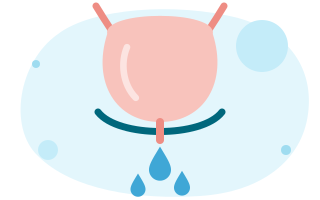
What is stress leakage?
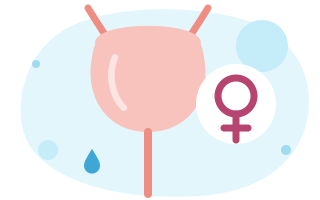
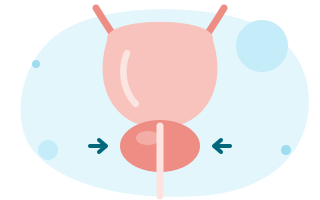
"Stress" here means pressure, not worry. When you cough or lift, the pressure inside your tummy rises and presses on the bladder. Normally the pelvic floor muscles and the tissues around the urethra hold the urine in. When they are weak or stretched, a small amount escapes.
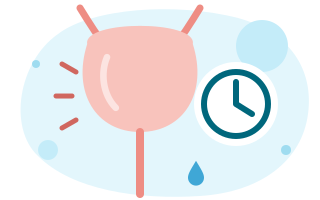
It is different from urge leakage, where you feel a sudden strong need and leak before you reach the toilet. Many women have a mix of both, and the treatments differ, so it helps to notice which one bothers you more.
Why it happens
- Pregnancy and vaginal childbirth, especially several deliveries, a large baby or a long labour
- Menopause, when lower oestrogen weakens the tissues
- A long-standing cough, from asthma, smoking or chest disease
- Constipation and straining
- Extra body weight, which presses on the bladder
- Heavy lifting at work or at home
- A prolapse, where the bladder or womb drops down into the vagina
- Earlier pelvic surgery
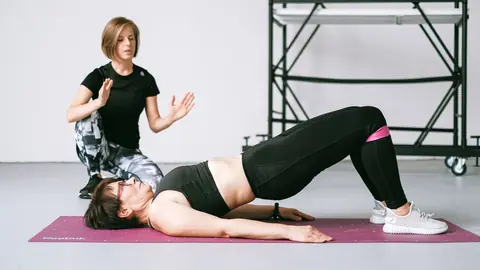
Pelvic floor exercises: the first step
Strengthening the pelvic floor helps many women, and it can be done at home without anyone knowing.
- Find the muscles. Squeeze as if you are stopping yourself from passing wind and holding in urine at the same time. Your tummy, thighs and buttocks should stay relaxed.
- Slow squeezes. Tighten and hold for up to ten seconds, then relax fully for the same time. Repeat up to ten times.
- Quick squeezes. Tighten and let go quickly, ten times.
- Three times a day, lying, sitting or standing.
- Squeeze before you cough, sneeze or lift, so the muscles are ready.
It usually takes about three months of regular practice to see the full effect. A women's health physiotherapist can check that you are using the right muscles. Do not practise by stopping your urine flow often, because that can stop the bladder emptying well.
Other things that help
- Lose some weight if you are overweight; even a small loss reduces leaks
- Stop smoking and get a long-standing cough treated
- Treat constipation with fibre, fluids and activity
- Drink normally, but cut down on tea, coffee and fizzy drinks
- Bend your knees and keep loads close to your body when lifting
What happens at your visit
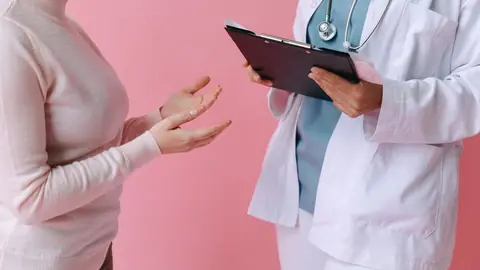
- The doctor asks when you leak, how much, and how it affects your life, and about deliveries, menopause, cough and bowels.
- With your consent, an examination, to look at the pelvic floor and check for a prolapse.
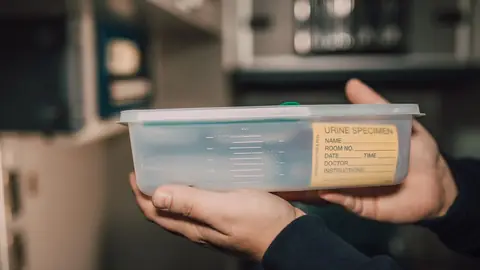
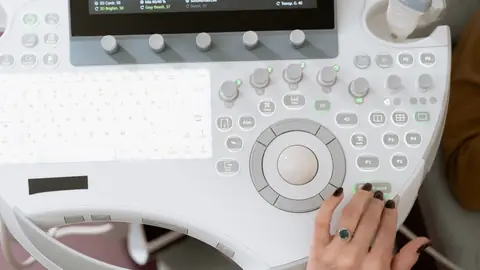
- A urine test to rule out infection, and an ultrasound to see whether the bladder empties well.
- A bladder diary for a few days, and sometimes a bladder pressure test (urodynamics) before any operation.
You can bring a family member with you to the consultation if you wish. Read more on our page on urinary incontinence treatment in Gomti Nagar Extension.
Treatment options after evaluation
- Supervised pelvic floor training, the first treatment for most women
- Vaginal oestrogen cream after menopause, to strengthen the tissues, when the doctor advises it
- A vaginal support device (pessary), fitted to support the urethra, useful for some women or during exercise
- Bulking injections around the urethra, a smaller procedure for selected women
- Sling or suspension operations in hospital, which support the urethra when other treatment has not helped enough; the doctor explains the benefits and risks of each type, including tapes
See a doctor sooner if
- You see blood in the urine
- Passing urine burns or hurts, or infections keep coming back
- You feel a bulge or heaviness in the vagina
- You leak all the time, not only with coughing or effort
- Leaks started after an operation or a new medicine
Help for urine leaks in Gomti Nagar Extension
Swastik Urology Clinic is in Sector-5, Gomti Nagar Extension, near Sadar Tehsil, a short ride from Gomti Nagar, Shaheed Path and Chinhat. Dr. Aditya P.S. Sengar (MBBS, MS (General Surgery), DNB (Urology)) sees women with urine leaks in the morning OPD, Monday to Saturday, 9:30 AM to 11:30 AM, and speaks Hindi, English, Bhojpuri and Gujarati. You do not need to give the reason when you book. Request an appointment.
This article gives general information and does not replace examination, diagnosis or treatment by a qualified doctor.