

When is a UTI called recurrent?
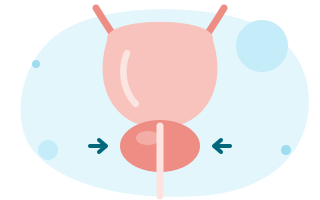
Doctors call urine infections recurrent when there are two or more in six months, or three or more in a year, ideally confirmed by a urine culture. Most of these are bladder infections (cystitis). The aim is to find out why they keep happening and to prevent the next one, not only to treat each episode.
Symptoms of a bladder infection
- Burning or pain when passing urine
- Needing to go often and urgently, passing only a little each time
- Pain low in the tummy
- Cloudy, strong-smelling or blood-stained urine
Fever, shivering, pain in the back or side, or vomiting suggest the infection has reached the kidney. That needs treatment the same day.
Why women get more urine infections
- A short urethra, close to the vagina and back passage, so bacteria reach the bladder more easily
- Sex, which can push bacteria towards the urethra; infections often follow within a day or two
- Menopause, when lower oestrogen changes the tissues and the protective bacteria
- Diabetes, especially when sugar is high
- Not drinking enough, common in a Lucknow summer, or when you avoid water to avoid toilets at work, school or while travelling
- Holding urine for long hours
- Constipation, which keeps more bacteria near the urethra and can stop the bladder emptying well
- A bladder that does not empty fully, for example with a prolapse
- Stones in the kidney or bladder, which can hide bacteria
- Pregnancy
Why the infection comes back
Sometimes it is a new infection each time. Sometimes the same bacteria were never fully cleared, because the course was stopped early, the medicine did not suit the bacteria, or something such as a stone or poor emptying lets them stay. Taking antibiotics bought without a prescription, or left over from last time, makes resistant bacteria more likely and makes the next infection harder to treat.
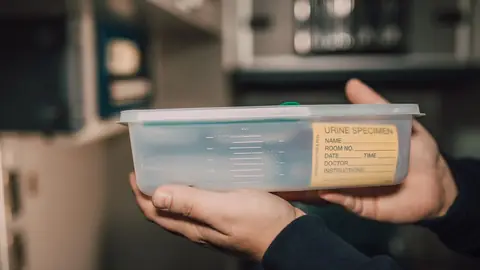
A urine culture, given before you start an antibiotic, tells the doctor which bacteria are present and which medicines work against them. It is the single most useful step when infections keep returning.
When to see a urologist
- Two or more infections in six months, or three or more in a year
- An infection with fever or back pain
- Blood in the urine, even once
- Infections that start after menopause
- A history of kidney stones, or diabetes that is hard to control
- Symptoms that continue even when the culture shows no bacteria
Read more on our page on UTI treatment in Gomti Nagar Extension.
What the doctor may check
- Your pattern of infections, triggers such as sex, your periods or menopause, bowel habits, fluids and medicines.
- Your earlier culture reports, to see which bacteria keep appearing.
- A fresh urine test and culture, and blood sugar.
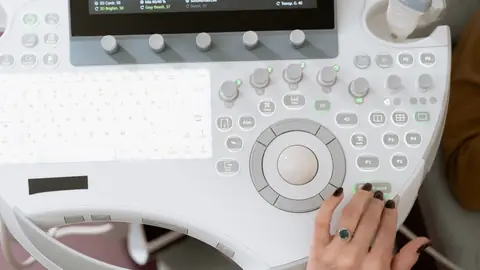
- An ultrasound of the kidneys and bladder, including how much urine stays after you pass urine.
- In some women, a camera test of the bladder (cystoscopy) or a CT scan, to look for a stone or another cause.
You can bring a family member with you to the consultation if you wish.
What helps prevent the next infection
- Drink enough to keep your urine pale, about two to three litres a day, more in summer, unless a doctor has limited your fluids
- Pass urine every three to four hours in the day; do not hold it for long
- Pass urine soon after sex
- Wipe from front to back
- Avoid douches, scented washes and powders; plain water is enough
- Treat constipation with fibre, fluids and activity
- Wear cotton underwear and change out of damp clothes
- Keep blood sugar in the range your doctor advises
Treatments the doctor may suggest
- Vaginal oestrogen cream after menopause, which reduces infections in many women
- A single antibiotic dose after sex, when infections clearly follow sex
- A low-dose preventive antibiotic for a few months, in selected women, with regular review
- Non-antibiotic options, such as certain supplements, discussed with you along with the evidence for them
- Treating the cause, such as a stone, a prolapse or a bladder that does not empty
Each of these is chosen for your pattern of infections and reviewed over time.
Women's urine care in Gomti Nagar Extension
Swastik Urology Clinic is in Sector-5, Gomti Nagar Extension, near Sadar Tehsil, a short ride from Gomti Nagar, Shaheed Path and Chinhat. Dr. Aditya P.S. Sengar (MBBS, MS (General Surgery), DNB (Urology)) sees women with repeated infections in the morning OPD, Monday to Saturday, 9:30 AM to 11:30 AM, and speaks Hindi, English, Bhojpuri and Gujarati. Bring your culture reports and a list of the antibiotics you have taken. Request an appointment.
This article gives general information and does not replace examination, diagnosis or treatment by a qualified doctor.