
Why the size of a stone matters
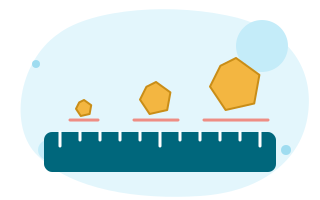
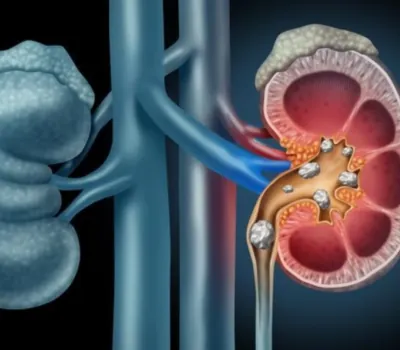
A stone that forms in the kidney has to travel down the ureter, a narrow tube a few millimetres wide, to reach the bladder. Small stones can slip through; larger ones get stuck, block the flow of urine and cause pain. The size on your report, in millimetres (mm), is usually the longest measurement of the stone.
A rough guide by size
These are general patterns, not promises. Your own stone may behave differently.
| Size | What usually happens |
|---|---|
| Up to 4 mm | Most pass on their own within a few weeks, with fluids and pain relief. |
| 5 to 7 mm | Many still pass, but it takes longer. A medicine that relaxes the ureter may be advised. |
| 8 to 10 mm | Less likely to pass. A procedure is often discussed, especially if there is pain or a blockage. |
| Over 10 mm | Rarely passes through the ureter. Usually needs a procedure. |
Overall, most stones smaller than 5 mm pass without help, and around half of stones between 5 and 10 mm do.
Position matters as much as size
- Lower ureter, close to the bladder: the most likely place for a stone to pass by itself.
- Upper ureter, just below the kidney: less likely to pass than the same size stone lower down.
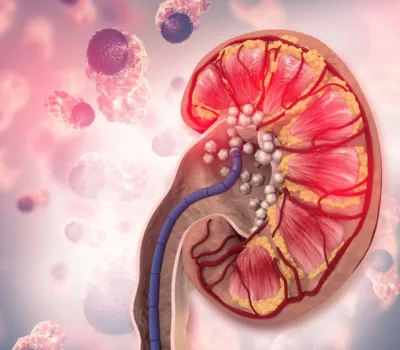
- Inside the kidney: a stone may stay there for months or years. It is watched or treated depending on its size and the problems it causes.
- In the bladder: bladder stones usually form there, often because the bladder does not empty fully, for example with an enlarged prostate. They usually need treatment along with the cause.
Other things the doctor weighs up
- Whether your pain is controlled with tablets
- Signs of infection, such as fever or shivering
- Whether the kidney is swollen (hydronephrosis) because urine is blocked
- Your kidney function, and whether you have only one working kidney
- Pregnancy, diabetes, and other illnesses
- Your work and travel, for example long drives or shifts where an attack would be hard to manage
Go to an emergency department straight away if you have
- fever or shivering with stone pain, which can mean an infected, blocked kidney
- pain that painkillers do not settle, or repeated vomiting
- very little or no urine
- a stone with only one working kidney
Helping a small stone pass
- Drink enough to keep your urine pale, spread through the day.
- Take pain relief exactly as prescribed. Some painkillers are not safe if your kidney function is low, so check first.
- Stay active; there is no need for bed rest.
- Pass urine through a tea strainer or a piece of cloth to catch the stone, and keep it for analysis.
- Keep all your scans and reports, and go for the follow-up scan even if the pain has gone. A stone can stop hurting and still block the kidney.
When a stone needs a procedure
If a stone is too large to pass, has not moved after a few weeks, or is causing infection or a blockage, a urologist will discuss removing it. The main options are:
- URS: a thin telescope passed through the urinary passage into the ureter, usually with a laser to break the stone.
- RIRS: a flexible telescope that reaches stones inside the kidney the same way, without a cut.
- PCNL: keyhole removal through a small opening in the back, for larger kidney stones.
- ESWL: shock waves from outside the body, for some smaller kidney stones.
These are done in hospital. Which one suits you depends on the stone's size, position and hardness, and on your health. Read more on the kidney stone treatment page, and see our kidney stone diet guide to lower the chance of another stone.
Getting your scan reviewed in Gomti Nagar Extension
Bring your ultrasound or CT report, and the films or CD, to Swastik Urology Clinic in Sector-5, Gomti Nagar Extension. The doctor looks at the size and position of the stone, your symptoms and your kidney function, and explains whether waiting is safe or a procedure is better. The morning OPD runs Monday to Saturday, 9:30 AM to 11:30 AM. Request an appointment.
This article gives general information and does not replace examination, diagnosis or treatment by a qualified doctor.