
13 July 2026
Male Fertility Doctor Near MeKidney Transplant in Lucknow: Complete Guide for Patients and Families
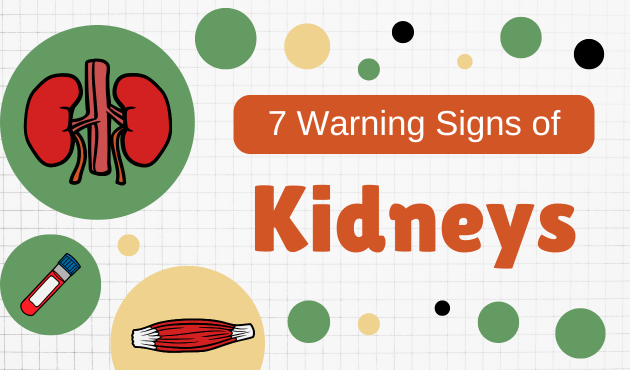
Kidney disease can affect every part of life, from daily energy levels to overall health and emotional wellbeing. When kidneys stop functioning properly, a kidney transplant may become the best long-term treatment option. If you are searching for reliable and advanced Kidney transplant in Lucknow, understanding the procedure, benefits, risks, and recovery process is important before making any decision.
At Swastik Urology Clinic, patients receive ethical, evidence-based and personalised care for kidney-related conditions. As a trusted Swastik Urology Clinic, the clinic focuses on accurate diagnosis, patient education, and modern treatment approaches for better long-term outcomes.
What Is a Kidney Transplant?
A kidney transplant is a surgical procedure in which a healthy kidney from a donor is placed into a patient whose kidneys are no longer functioning properly. It is usually recommended for patients with end-stage kidney disease or severe chronic kidney failure.
A successful transplant can help patients:
Improve quality of life
Reduce dependency on dialysis
Restore normal daily activities
Improve energy and appetite
Support long-term health outcomes
Many patients experience better physical and emotional wellbeing after a successful transplant.
When Is Kidney Transplant Recommended?
Doctors may recommend a transplant when kidney function becomes severely reduced and other treatments are no longer effective.
Common signs and conditions include:
Chronic kidney disease (CKD)
Kidney failure due to diabetes or high blood pressure
Repeated kidney infections
Polycystic kidney disease
Long-term dialysis dependency
Severe loss of kidney function
Early consultation with an experienced urologist helps patients understand whether they are suitable candidates for transplant treatment.
Benefits of Kidney Transplant Over Dialysis
While dialysis helps remove waste from the body, a transplant often provides a more permanent and comfortable solution.
Better Quality of Life
Many patients can return to work, travel, and normal activities after recovery.
Improved Long-Term Health
A healthy transplanted kidney can perform kidney functions more effectively than dialysis in many cases.
Dietary Freedom
Patients may experience fewer food and fluid restrictions after transplantation.
Increased Energy Levels
Most patients report improved stamina and reduced fatigue after recovery.
Understanding the Kidney Transplant Process
The transplant journey involves several medical evaluations and treatment stages.
Initial Medical Evaluation
Doctors assess overall health, kidney function, heart condition, and suitability for surgery.
Finding a Suitable Donor
A donor may be:
A living family member
A compatible relative
A deceased donor
Compatibility testing is important to reduce transplant rejection risks.
Surgical Procedure
The donor kidney is surgically placed into the patient’s body while the damaged kidneys are usually left in place unless medically required.
Post-Transplant Care
Patients need regular follow-ups and medications to help the body accept the new kidney.
Recovery After Kidney Transplant
Recovery time varies depending on patient health and surgical outcomes.
Hospital Stay
Most patients remain under observation for several days after surgery.
Medications
Patients need immunosuppressant medicines to prevent organ rejection.
Lifestyle Changes
Doctors may recommend:
Healthy diet
Regular exercise
Proper hydration
Routine medical monitoring
Avoiding smoking and alcohol
Following medical advice carefully is important for long-term transplant success.
Choosing the Right Urology Clinic in Lucknow
Selecting the right healthcare team plays a major role in successful treatment outcomes. Patients should look for:
Experienced urologists
Ethical treatment approach
Advanced diagnostic support
Patient-focused care
Long-term follow-up services
Swastik Urology Clinic is known for comprehensive kidney and urinary care services. The clinic combines modern medical technology with compassionate patient care to support safer treatment and faster recovery.
As a leading urology clinic, the focus remains on:
Early diagnosis
Evidence-based treatment
Transparent patient guidance
Personalised treatment plans
Long-term patient wellbeing
Common Symptoms Patients Should Not Ignore
Many kidney conditions develop slowly and may not show symptoms in early stages. Immediate medical attention is important if you experience:
Swelling in feet or face
Blood in urine
Reduced urine output
Persistent fatigue
High blood pressure
Frequent urinary infections
Severe back or side pain
Early diagnosis can help prevent serious kidney complications.
Role of Expert Urologists in Kidney Care
An experienced urologist helps patients at every stage, from diagnosis to recovery. Proper evaluation and treatment planning can significantly improve transplant success rates.
Patients searching for a trusted Urologist in Gomti Nagar Lucknow often choose clinics that provide:
Accurate diagnosis
Ethical medical advice
Advanced surgical support
Long-term patient monitoring
Comprehensive kidney care requires both medical expertise and continuous patient support.
How Patients Can Prepare for Kidney Transplant
Preparation before surgery can improve recovery outcomes.
Follow Medical Advice Carefully
Attend all consultations and complete recommended tests.
Maintain Healthy Lifestyle Habits
Healthy eating and physical activity can strengthen overall health before surgery.
Understand Medication Requirements
Patients should learn about long-term medicines and follow-up care.
Emotional and Family Support
Family involvement and emotional support help patients during recovery and treatment planning.
FAQs About Kidney Transplant
1- Is kidney transplant safer than long-term dialysis?
For many eligible patients, a transplant can offer better quality of life and improved long-term health compared to long-term dialysis.
2- How long does a transplanted kidney last?
The lifespan of a transplanted kidney varies depending on patient health, donor compatibility, and post-operative care.
3- Can a person live normally after kidney transplant?
Many patients return to normal activities, work, and daily routines after successful recovery.
4- What foods should be avoided after transplant?
Doctors may advise avoiding excessive salt, processed foods, and unhealthy lifestyle habits after surgery.
5- How do I know if I need a kidney transplant?
A medical evaluation by a qualified urologist or kidney specialist is necessary to determine whether a transplant is required.
Conclusion
Kidney disease can significantly impact physical and emotional health, but timely treatment and expert medical care can improve outcomes. Understanding treatment options, recovery expectations, and the importance of specialised care helps patients make informed decisions.
If you are looking for advanced and ethical care for kidney conditions, Swastik Urology Clinic Contact Page offers expert consultation and personalised treatment support for patients across Lucknow.
Book Your Consultation Today
Get trusted kidney and urinary care from experienced specialists at Swastik Urology Clinic. Early diagnosis and expert treatment can help improve recovery, safety, and long-term kidney health.
Fillter
Recent Blogs

20 June 2026
Kidney Transplantation in Lucknow

27 March 2025
Best Urologist In Gomti Nagar, Lucknow for Advanced Care